Hello, fitness enthusiasts. My name is Mark, and I have owned ZcycleShop.com for over fifteen years. I have helped thousands of customers buy bikes. Many of them come to me with one question: “Will cycling help me lose weight?” This is one of the most common questions I hear. And my answer is always a clear “Yes.” But I also explain that it depends on how you do it.
Cycling is one of the best exercises for weight loss. It burns calories. It builds muscle. It is low-impact. It is fun. You can do it almost anywhere. But to lose weight effectively, you need to understand how it works. You need a plan. You need consistency. You need to combine cycling with good nutrition.
In this article, I will explain everything you need to know about cycling for weight loss. I will share my experience from running a bike shop. I have seen many customers succeed. I have also seen some fail. The ones who succeed follow certain principles. I will share those principles with you.
Whether you are a beginner or an experienced rider, this guide will help you. It covers the science of weight loss, the best types of cycling, how to structure your rides, and what to eat. Let us get started.
Does Cycling Actually Burn Calories?
Yes, cycling burns a lot of calories. But how many depends on several factors.
Factors That Affect Calorie Burn
Your Weight: Heavier people burn more calories. This is because moving more mass requires more energy. A 200-pound person burns more calories than a 150-pound person riding at the same speed.
Intensity: Riding faster and harder burns more calories. A leisurely ride burns fewer calories than a fast ride or a climb. High-intensity interval training (HIIT) on the bike burns the most.
Duration: The longer you ride, the more calories you burn. A one-hour ride burns twice as many calories as a 30-minute ride. This seems obvious, but many people underestimate the importance of time.
Terrain: Riding uphill burns more calories than riding on flat ground. Riding into the wind also increases effort. Both increase calorie burn.
Bike Type: Heavier bikes require more energy to move. Mountain bikes with thick tires burn more calories than lightweight road bikes. E-bikes burn fewer calories because the motor helps you.
Calorie Burn Estimates
Here are some rough estimates for a 155-pound person:
- Leisurely pace (10-12 mph): 250-300 calories per hour
- Moderate pace (12-14 mph): 400-500 calories per hour
- Vigorous pace (14-16 mph): 600-700 calories per hour
- Racing pace (16+ mph): 800+ calories per hour
- Mountain biking: 500-700 calories per hour
For a 200-pound person, these numbers are about 25-30% higher. For a 130-pound person, they are about 15-20% lower.
To lose one pound of fat, you need to burn about 3,500 calories. This means a 155-pound person needs to ride at a moderate pace for about 7-8 hours to lose one pound. Over a week, that is about one hour per day. This is achievable for most people.
Why Cycling is Great for Weight Loss
Cycling has many advantages over other forms of exercise. Here is why I recommend it to my customers.
Low Impact
Running and jumping put stress on your joints. Your knees, ankles, and hips take a pounding. Cycling is low-impact. Your weight is supported by the saddle. Your joints do not take the same beating. This makes cycling suitable for people of all ages and fitness levels. You can ride without worrying about joint pain.
Builds Muscle
Cycling works your leg muscles – quads, hamstrings, glutes, and calves. It also works your core and back to some extent. Muscle is metabolically active. It burns calories even when you are resting. More muscle means a higher resting metabolism. This helps you lose weight faster and keep it off.
Burns Fat, Not Just Sugar
At lower intensities, your body primarily burns fat for fuel. This is called the fat-burning zone. At higher intensities, your body burns more carbohydrates. Both fat and carbs are burned during cycling. But longer, steady rides encourage fat burning. This makes cycling effective for reducing body fat.
Can Be Done Anywhere
You do not need a gym membership. You do not need special equipment beyond a bike. You can ride on roads, bike paths, or trails. You can ride in the city or in the countryside. You can ride alone or with friends. This flexibility makes it easier to stick with cycling.
Fun and Enjoyable
Many people hate exercise. They see it as a chore. Cycling is different. It feels like freedom. You explore new places. You feel the wind on your face. You enjoy the scenery. When exercise is fun, you do it more. And you burn more calories.
Suitable for All Fitness Levels
You can start with short, easy rides. You can build up gradually. You do not need to be fit to start. You can go at your own pace. As you get fitter, you can ride longer and faster. This makes cycling perfect for beginners.
Social
You can ride with friends or family. You can join a cycling club. Social support makes exercise more enjoyable. It also helps you stay accountable. When you know someone is waiting for you, you are less likely to skip a ride.
Great for Mental Health
Weight loss is not just about calories. It is also about stress and mood. Cycling reduces stress. It releases endorphins. It improves sleep. These benefits help you make better food choices. They also reduce emotional eating.
Read more about why cycling is great for weight loss
Types of Cycling for Weight Loss
Not all cycling is the same. Different types of cycling have different effects on weight loss. Here are the main types.
Steady-State Endurance Riding
This is riding at a moderate pace for a long time. You stay in the fat-burning zone. Your heart rate is around 60-70% of your maximum. You can talk comfortably while riding.
Benefits: Burns a high percentage of fat. Improves cardiovascular fitness. Builds endurance. Easy to recover from.
Best for: Beginners and long-distance riders. Good for people who want to enjoy the ride and burn fat.
High-Intensity Interval Training (HIIT)
This involves short bursts of hard effort followed by recovery periods. For example, you sprint for 30 seconds, then ride easy for 90 seconds. Repeat this 10-15 times.
Benefits: Burns a lot of calories in a short time. Increases your metabolism for hours after the ride. Builds muscle. Improves fitness quickly.
Best for: People with limited time. Good for those who want fast results.
Hill Climbing
Riding uphill requires a lot of effort. Your heart rate goes up quickly. Your leg muscles work hard. You burn many calories per hour.
Benefits: Burns many calories. Builds leg muscle. Improves strength and power.
Best for: People who live near hills. Good for those who want to combine cardio with strength training.
Mountain Biking
Mountain biking on trails adds resistance. The uneven terrain requires constant effort. You also have to navigate obstacles. This increases calorie burn.
Benefits: Burns many calories. Works your core and upper body. Fun and adventurous.
Best for: People who enjoy nature. Good for those who want a full-body workout.
Commuting
Riding to work or to the shops. This is often at a moderate pace. It is done regularly, often daily.
Benefits: Burns calories without extra time commitment. Fits into your daily routine. Saves money on transport.
Best for: Busy people. Good for those who want to add exercise without changing their schedule.
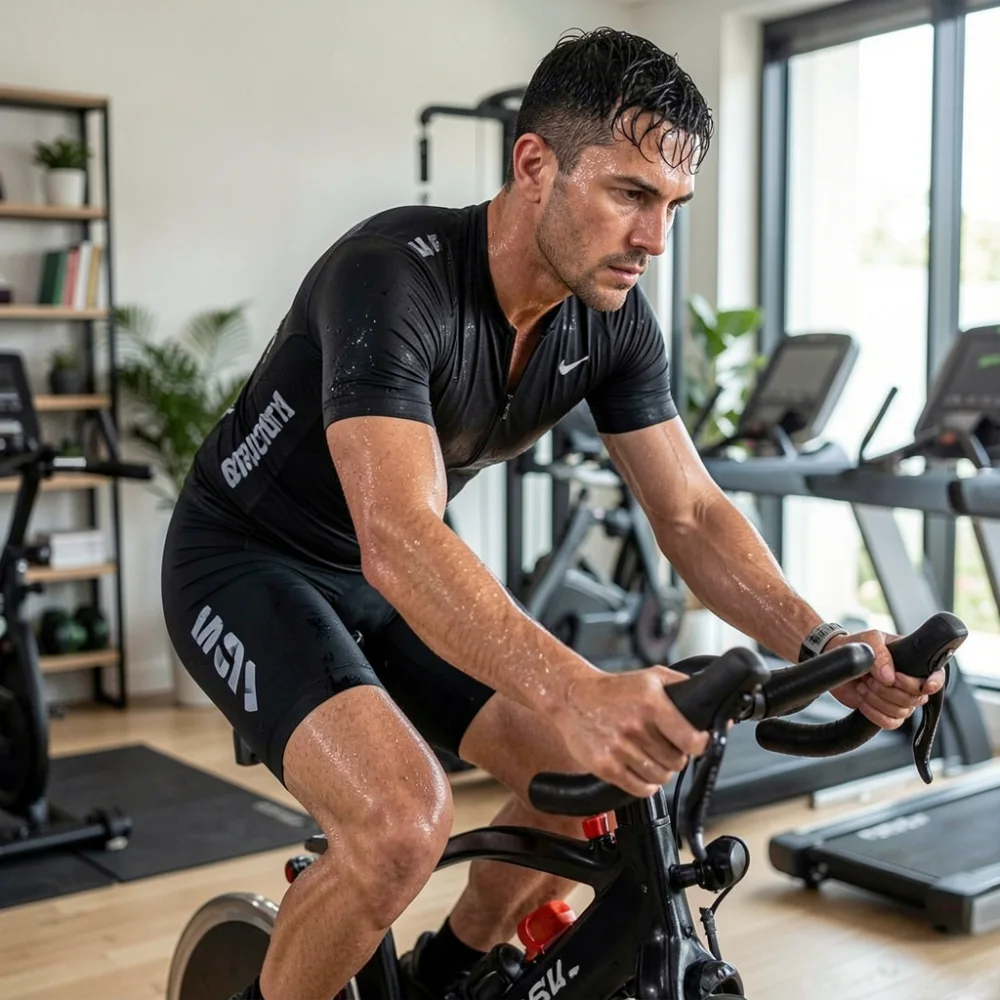
Indoor Cycling (Spin Classes)
Indoor cycling on a stationary bike. Classes are often high-intensity. An instructor leads you through intervals, climbs, and sprints.
Benefits: Burns many calories. Can be done in any weather. Good for motivation.
Best for: People who prefer a structured workout. Good for those who do not want to ride outside.
How to Structure Your Cycling for Weight Loss
Having a plan helps you lose weight faster. Here is a simple structure.
Frequency
Aim to ride 3-5 times per week. This is the sweet spot. More than 5 times can lead to overtraining. Less than 3 times will slow your progress.
- Beginners: Start with 3 times per week. Ride for 20-30 minutes each time.
- Intermediate: Ride 4 times per week. Ride for 45-60 minutes each time.
- Advanced: Ride 5 times per week. Include a mix of endurance and HIIT.
Duration
Longer rides burn more calories. Build up your duration gradually.
- Week 1-2: 20-30 minutes per ride
- Week 3-4: 30-45 minutes per ride
- Week 5-6: 45-60 minutes per ride
- Week 7+: 60-90 minutes per ride
One longer ride on the weekend (1.5-2 hours) can help you burn extra calories.
Intensity
Mix different intensities for best results.
Example Weekly Plan:
- Monday: Moderate ride – 45 minutes at a steady pace. Heart rate at 60-70%.
- Tuesday: Rest or easy walk.
- Wednesday: HIIT ride – 30 minutes. Include 6-8 sprints of 30 seconds with 90 seconds recovery.
- Thursday: Easy recovery ride – 30 minutes at a very gentle pace.
- Friday: Hill ride – 60 minutes. Include 3-4 climbs. Or a moderate endurance ride.
- Saturday: Long ride – 90 minutes at a steady pace.
- Sunday: Rest.
This plan gives you variety. It works different energy systems. It prevents boredom.
Progression
To keep losing weight, you must increase the challenge. Your body adapts. What was hard becomes easy. You need to do more or do it harder.
Ways to Progress:
- Increase your ride duration by 5-10 minutes each week.
- Increase your speed or resistance.
- Add more hills or intervals.
- Reduce your recovery time between intervals.
- Add an extra ride per week.
The Role of Nutrition
Exercise alone is not enough. You also need to watch what you eat. Here is what I tell my customers.
Calorie Deficit
To lose weight, you need to burn more calories than you eat. This is a calorie deficit. You can create a deficit by eating less, exercising more, or both.
A deficit of 500 calories per day leads to about one pound of weight loss per week. This is a safe and sustainable rate. A deficit of 1000 calories per day leads to two pounds per week. But this is harder to maintain.
What to Eat Before a Ride
You need fuel for your ride. Eat a light meal or snack 1-2 hours before.
Good Options:
- Banana
- Toast with peanut butter
- Oatmeal
- Small bowl of cereal
- Energy bar
Avoid heavy meals before riding. They make you feel sluggish. Avoid high-fat foods – they digest slowly.
What to Eat During a Ride
For rides under one hour, you do not need to eat during the ride. Water is enough. For rides over one hour, bring a snack. This prevents bonking – running out of energy.
Good Options:
- Energy gels
- Energy bars
- Bananas
- Trail mix
- Fig bars
Eat about 30-60 grams of carbohydrates per hour for longer rides. Drink water regularly – about one bottle per hour.
What to Eat After a Ride
After a ride, you need to recover. Eat a meal with protein and carbohydrates within 30-60 minutes.
Good Options:
- Chicken breast with rice and vegetables
- Greek yogurt with fruit
- Protein shake with a banana
- Salmon with sweet potato
- Eggs on toast
Protein helps rebuild muscle. Carbohydrates replenish your energy stores. Do not skip this meal – it helps you recover and prepares you for the next ride.
Foods to Avoid
Some foods slow down your weight loss. Here are common culprits.
- Sugary drinks: Soda, juice, energy drinks. They have many empty calories.
- Processed snacks: Chips, cookies, pastries. They are high in fat and sugar.
- Fried foods: Fries, fried chicken. They are high in calories and unhealthy fats.
- White bread and pasta: They spike your blood sugar. Choose whole grains instead.
- Alcohol: It has many calories. It also lowers your willpower. Drink water instead.
Hydration
Water is important for weight loss. It helps your body function. It also reduces hunger. Many people mistake thirst for hunger.
- Drink water before, during, and after your ride.
- Aim for 2-3 liters per day.
- If you sweat a lot, drink an electrolyte drink to replace salts.
Common Mistakes in Cycling for Weight Loss
Many people make mistakes. These mistakes slow down their progress. Here is what to avoid.
Mistake 1: Riding Too Easy
Some people ride very slowly. They do not break a sweat. They ride for a long time but burn few calories. You need to push yourself. Your heart rate should be elevated. You should breathe harder than normal. If you can sing while riding, you are going too easy. You should be able to talk, but not easily.
Mistake 2: Riding Too Hard Every Day
Some people ride hard every day. This leads to burnout and injury. Your body needs rest to recover. Muscles grow during rest, not during exercise. Over-training also increases cortisol. This stress hormone makes you hold onto belly fat. Include easy days and rest days in your plan.
Mistake 3: Not Changing Your Routine
Your body adapts to exercise. If you do the same ride every day, it gets easier. You burn fewer calories. You need to change your routine. Increase distance, add hills, or add intervals. This keeps your body guessing and working.
Mistake 4: Eating Back All Your Calories
After a ride, you might feel hungry. You might eat more than you burned. A 400-calorie ride can be cancelled out by a 600-calorie meal. Track what you eat. Be mindful of portion sizes. Do not reward yourself with food after every ride.
Mistake 5: Not Tracking Progress
If you do not track, you do not know if you are making progress. Weigh yourself weekly. Take measurements of your waist, hips, and thighs. Keep a log of your rides – distance, time, and how you felt. Seeing progress keeps you motivated.
Mistake 6: Ignoring Strength Training
Cycling is great for your legs. But it does not work your upper body much. Add strength training 1-2 times per week. This builds muscle, boosts your metabolism, and prevents injuries. Simple exercises include push-ups, squats, lunges, and planks.
Mistake 7: Skipping Meals
Some people skip meals to lose weight faster. This is a bad idea. Skipping meals lowers your blood sugar. It makes you hungry and tired. You are more likely to overeat later. Eat regular, balanced meals. This keeps your energy stable.
Mistake 8: Not Getting Enough Sleep
Sleep is important for weight loss. Poor sleep increases cortisol. It also increases ghrelin, a hunger hormone. You eat more when you are tired. Aim for 7-9 hours of quality sleep per night.
Tracking Your Progress
Tracking helps you stay on track. Here is what I recommend.
Weight
Weigh yourself once a week, at the same time of day. Do not weigh yourself daily – your weight fluctuates. Weekly trends are more reliable.
Measurements
Measure your waist, hips, and thighs once a month. Sometimes the scale does not move, but you lose inches. This is a sign that you are losing fat and building muscle.
Ride Log
Keep a simple log of your rides. Write down:
- Date
- Distance
- Time
- Average speed
- How you felt
- Type of ride (easy, moderate, hard)
Heart Rate
If you have a heart rate monitor, use it. Track your average and maximum heart rate. This helps you know if you are working hard enough.
Photos
Take a photo of yourself every month. Wear the same clothes. Stand in the same position. Photos show changes that numbers sometimes miss.
How You Feel
Track how you feel overall. More energy? Better mood? Clothes fitting looser? These are signs of progress even if the scale does not move.
Sample 8-Week Cycling Plan for Weight Loss
Here is a plan to get you started. This is for a beginner to intermediate rider.
Week 1
- Monday: 20-minute easy ride
- Tuesday: Rest
- Wednesday: 20-minute easy ride
- Thursday: Rest
- Friday: 20-minute moderate ride
- Saturday: 30-minute easy ride
- Sunday: Rest
Week 2
- Monday: 25-minute moderate ride
- Tuesday: Rest or light stretch
- Wednesday: 25-minute moderate ride
- Thursday: Rest
- Friday: 30-minute moderate ride
- Saturday: 35-minute easy ride
- Sunday: Rest
Week 3
- Monday: 30-minute moderate ride
- Tuesday: Rest
- Wednesday: 30-minute ride with 4 x 1-minute sprints (2 minutes recovery)
- Thursday: Rest
- Friday: 35-minute moderate ride
- Saturday: 45-minute easy ride
- Sunday: Rest
Week 4
- Monday: 35-minute moderate ride
- Tuesday: Rest
- Wednesday: 35-minute ride with 5 x 1-minute sprints
- Thursday: Rest
- Friday: 40-minute moderate ride
- Saturday: 50-minute easy ride
- Sunday: Rest
Week 5
- Monday: 40-minute moderate ride
- Tuesday: Rest
- Wednesday: 40-minute ride with 6 x 1-minute sprints
- Thursday: 30-minute easy ride
- Friday: 45-minute moderate ride
- Saturday: 60-minute easy ride
- Sunday: Rest
Week 6
- Monday: 45-minute moderate ride
- Tuesday: Rest
- Wednesday: 45-minute ride with 7 x 1-minute sprints
- Thursday: 30-minute easy ride
- Friday: 50-minute moderate ride with hills
- Saturday: 70-minute easy ride
- Sunday: Rest
Week 7
- Monday: 45-minute moderate ride
- Tuesday: 30-minute easy ride
- Wednesday: 45-minute ride with 8 x 1-minute sprints
- Thursday: Rest
- Friday: 50-minute moderate ride with hills
- Saturday: 80-minute easy ride
- Sunday: Rest
Week 8
- Monday: 50-minute moderate ride
- Tuesday: 30-minute easy ride
- Wednesday: 50-minute ride with 8 x 1-minute sprints
- Thursday: Rest
- Friday: 55-minute moderate ride with hills
- Saturday: 90-minute easy ride
- Sunday: Rest
After Week 8, you can repeat the pattern with longer durations or more intensity. You can also add an extra ride each week.
Cycling and E-Bikes for Weight Loss
E-bikes are popular. Many customers ask me if they can lose weight on an e-bike. The answer is yes, but with a twist.
An e-bike has a motor that helps you pedal. You can ride further and faster with less effort. The motor provides assistance up to a certain speed (usually 25 km/h or 32 km/h). This means you can go on longer rides and enjoy hills more easily.
Calorie Burn on an E-Bike
You still burn calories on an e-bike. The motor reduces your effort, but you are still pedaling. Studies show that e-bike riders burn about 80-90% of the calories of a regular bike rider. This means a 500-calorie ride on a regular bike becomes a 400-450 calorie ride on an e-bike. Over a long ride, this adds up.
How to Lose Weight on an E-Bike
- Turn down the assistance: Use a lower power setting. You do more work and burn more calories.
- Ride longer: Since an e-bike makes riding easier, you can ride for longer. A 2-hour e-bike ride burns more total calories than a 1-hour regular bike ride.
- Use the motor for hills only: Pedal hard on flat ground. Use the motor just for climbs.
- Do not rely on the throttle: Use pedal-assist, not throttle. Pedaling gives you exercise.
E-bikes are great for people who are heavier or less fit. They let you enjoy cycling without being too hard. You can build up your fitness gradually. Over time, you can reduce the assistance and do more work yourself.
Cycling and Mental Health
Weight loss is not just physical. It is mental too. Cycling helps with both.
Reduces Stress
Exercise reduces cortisol. This stress hormone encourages fat storage, especially around your belly. Less stress means less cortisol. This makes weight loss easier.
Improves Mood
Cycling releases endorphins. These are natural mood boosters. You feel happier after a ride. You are less likely to eat for emotional reasons.
Builds Confidence
As you get fitter, you feel better about yourself. You see progress. You feel stronger. This confidence helps you make better choices in other areas of your life.
Improves Sleep
Good sleep is important for weight loss. Poor sleep increases hunger hormones. Cycling improves sleep quality. You fall asleep faster. You sleep deeper.
Social Connection
Riding with others provides social support. You share experiences. You encourage each other. Social support helps you stick with your weight loss goals.
My Personal Story
I have owned ZcycleShop.com for fifteen years. I have seen many customers transform their lives. I have also seen my own transformation.
A few years ago, I was heavier than I wanted. I sat in my shop all day. I did not ride as much as I should. I ate too many quick meals. My weight crept up slowly. I felt tired. I felt slow.
I decided to change. I started riding to work every day. It is only 8 kilometers each way. But that is 80 kilometers per week. I also started longer rides on weekends. I rode with customers. I joined a local club.
Within six months, I lost 15 kilograms. I felt great. My energy was high. My customers noticed. They asked me how I did it. I told them – cycling and better eating.
Now I maintain my weight. I ride 5 days a week. I eat balanced meals. I sleep well. I feel better at 50 than I did at 40.
This is why I am passionate about cycling. It changed my life. It can change yours too.
Common Questions from My Customers
Here are the questions I hear most often.
Q: How soon will I see weight loss results?
A: Most people see some change in 2-4 weeks. Weight loss is slow at first. Do not get discouraged. Stick with your plan.
Q: Is it better to ride longer or harder?
A: Both are good. Longer rides burn more total calories. Harder rides burn more calories per minute. A mix of both works best.
Q: Can I lose belly fat from cycling?
A: You cannot spot-reduce fat. Cycling burns total body fat. Over time, your belly fat will decrease. You cannot choose where you lose fat first.
Q: What about cycling on a stationary bike?
A: Indoor cycling is also effective. You can control the intensity. You do not have to worry about weather or traffic. Many people lose weight with indoor cycling.
Q: Do I need an expensive bike?
A: No. Any bike works. A basic bike is fine. Just make sure it fits you and is safe to ride. You can always upgrade later.
Q: What if I have bad knees?
A: Cycling is low-impact. It is gentle on the knees. Start with a low gear. Use a smooth pedal stroke. Avoid pushing too hard. Many people with bad knees can ride comfortably.
Q: How do I stay motivated?
A: Set goals. Track progress. Ride with friends. Listen to music or podcasts. Vary your routes. Reward yourself for milestones – but not with food.
Q: Can I drink alcohol and still lose weight?
A: Alcohol has many calories. It also lowers willpower. Limit alcohol to 1-2 drinks per week. Drink water instead.
Final Words from Mark
Cycling is one of the best ways to lose weight. It is effective. It is enjoyable. It is sustainable. You do not need to suffer to see results. You just need to be consistent.
Start small. Ride 3 times a week. Eat better meals. Track your progress. Build up gradually. Be patient with yourself. Weight loss takes time. But every ride brings you closer to your goal.
I have owned ZcycleShop.com for over fifteen years. I have seen riders of all sizes and ages succeed. If they can do it, you can too. Come visit my shop. We have bikes for every rider. We have gear and accessories. We also have advice and encouragement.
Remember, weight loss is a journey. It is not a race. Enjoy the rides. Enjoy the fresh air. Enjoy the feeling of getting stronger. The weight will come off. Your health will improve. You will feel like a new person.
Thank you for reading this guide. I hope it helps you on your journey. If you have questions, you can contact me. I am always happy to talk about cycling and health.
Now, go for a ride. Start today. Your future self will thank you.
Happy riding. Happy losing.
Mark
Owner, ZcycleShop.com
P.S. Remember to combine cycling with good nutrition. You cannot out-ride a bad diet. Eat well. Ride well. And see the results.